Relay Attack: What It Is and How to Protect Your Car
Relay Attack Explained: Causes, Risks, and Best Anti-Theft Solutions
Relay attacks have become one of the most common methods thieves use to steal cars – and the entire process takes less than 30 seconds. If your vehicle has a keyless entry system (also known as keyless go), the signal opening your car can be “extended” from your house or place of work, unlocking your car and allowing anyone to drive away.
In this 2025 safety guide, you will learn all about the relay attack and how to protect yourself from it.
Table of Contents
What is a Relay Attack?
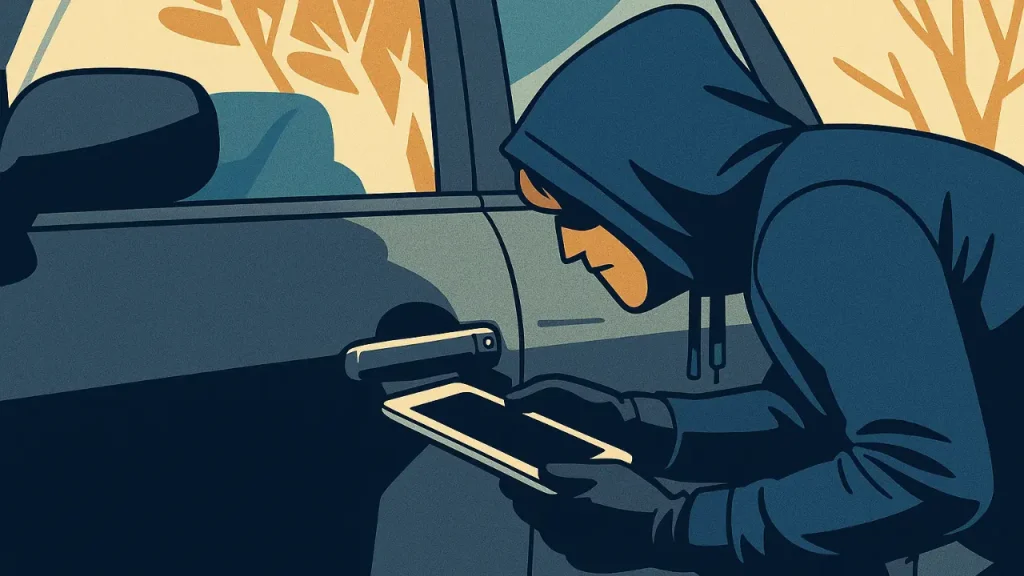
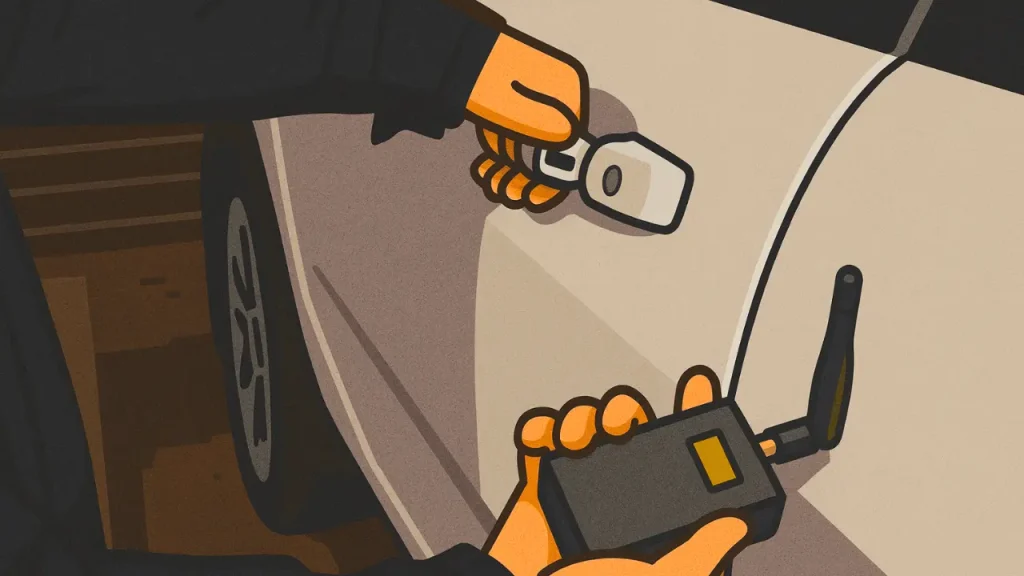
A relay attack is fast and silent – a quick method of stealing a car. How? The thief can easily extend the keyless entry signal from your key fob to your vehicle – this way he doesn’t have to break in or hack the software, a pair of signal boosting devices is more than enough. In the car’s “perspective”, it appears as if the legitimate key is standing right next to it — even when the key is actually inside your home.
This theft method focuses on vehicles equipped with keyless entry systems, which constantly send and receive low-power radio signals. As convenient as it is for drivers, it’s also extremely easy for criminals to exploit. A typical relay attack takes under 30 seconds, leaves no signs of forced entry, and the car owner – clueless about how their car disappeared.
Why is this method so dangerous
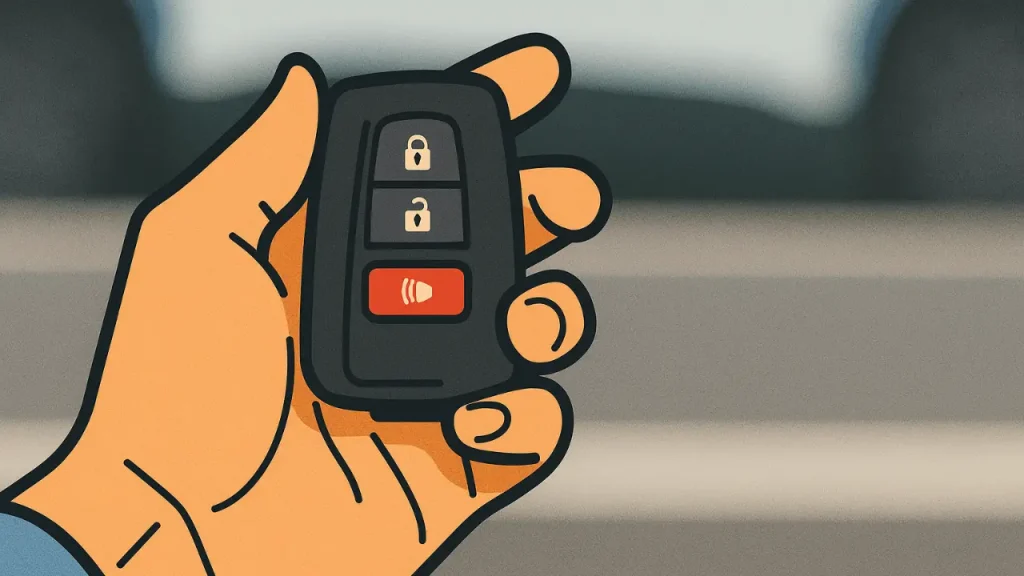
It requires no physical access to your keys — keeping your keys unprotected near doors or windows is enough for the thieves to access the signal
There is no physical damage to the vehicle, which makes it so much harder to make an insurance claim.
It’s almost completely silent, attracting no attention – if done correctly, the criminal looks like the car owner, simply gettting into the car like it’s his
It works on thousands on modern cars – brand doesn’t matter. Every keyless entry system is at risk here.
As relay attacks rise across Europe and North America, understanding the threat it brings is very important. Without additional security in place, nearly any keyless entry vehicle can be stolen in a matter of seconds – making relay attack one of the easiest and most common car theft methods in the last couple of years.
Which cars are at risk?
There isn’t a certain list of car models or brands that are specifically at risk (at least when it comes to relay attacks), but rather a pattern of features and testing data that reveal which cars are more likely to be targeted. Based on current research and industry findings, here are some of the facts.
Key risk factors
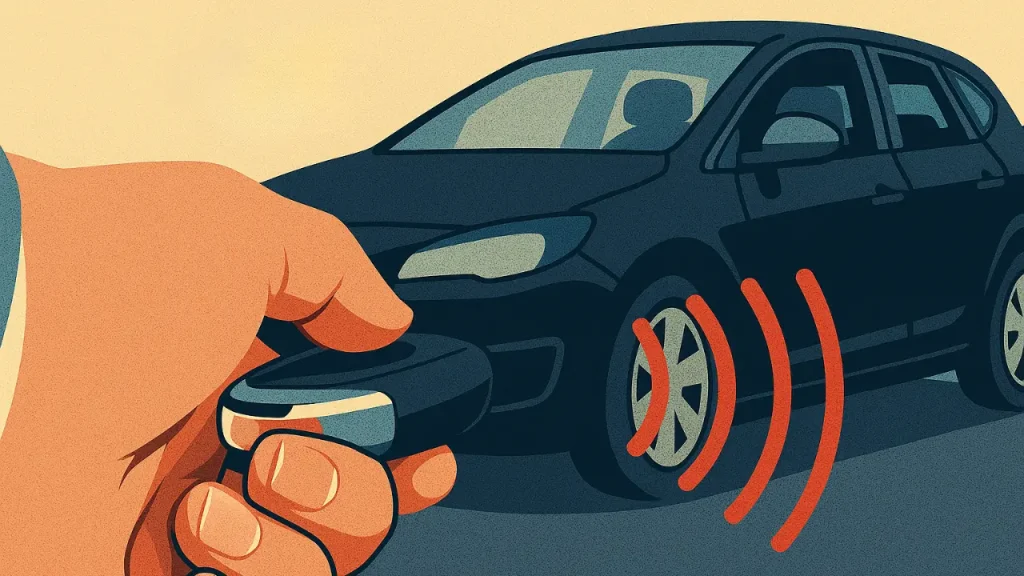
Keyless entry + push-to-start systems: Some cars that allow you to unlock and start the engine without inserting a key. They rely on a radio signal
Passive key-fob proximity systems: When the car automatically unlocks upon detecting a key nearby, thieves can exploit that “proximity” signal by relaying it.
Lack of advanced distance verification/authentication: If the system cannot reliably verify that the key is very close to the car (rather than far away and relayed), it opens a window for attackers.
Notable vulnerable vehicle types & brands
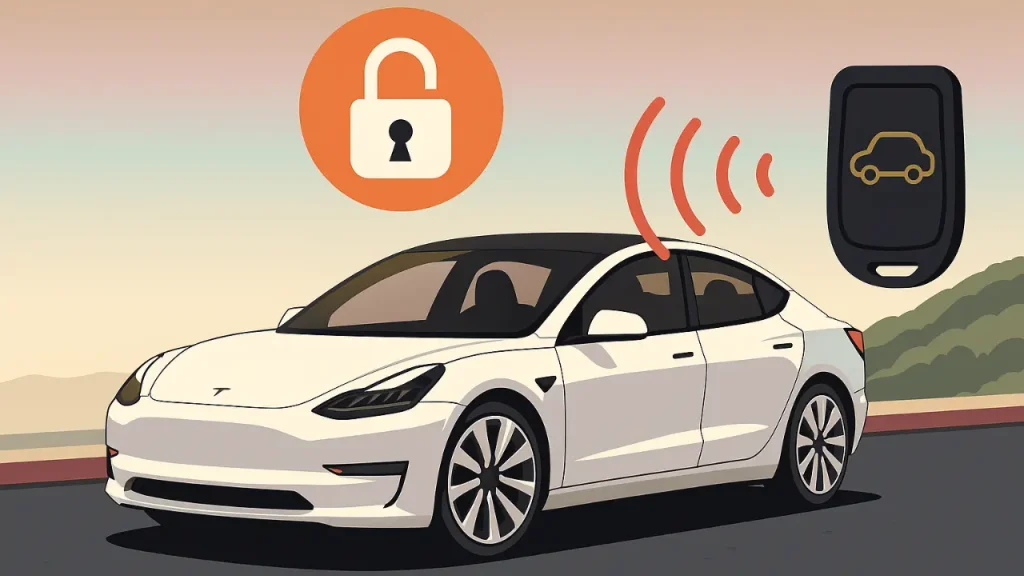
Many mainstream models with keyless systems have been identified as at risk — even if exact model years vary. For example, some reports state that models from Tesla (Model 3 and Model Y) remain vulnerable to Bluetooth or BLE-based relay attacks if additional security features (e.g., PIN-to-drive) aren’t activated.
Some vehicles from Hyundai and Kia have been targeted extensively in the UK for relay-type thefts.
Important notes
- Vulnerability doesn’t always align with a brand. Both higher-end or luxury car manufacturers and everyday vehicles that use keyless systems can be at risk if their security protocols for proximity detection are weak.
- Model year matters. Older systems may lack the counter-measures that the more recent models already incorporate.
- “Risk” doesn’t mean “guarantee” – just higher probability. Just because a car is keyless doesn’t mean it will be stolen, but the opportunity is there, waiting to be exploited.
- Any vehicle equipped with a keyless entry option and lacking anti-theft devices (immobilizer, steering wheel lock and similar), is at significantly higher risk of a relay attack.
How does a Relay Attack works?
Tools required
Signal Amplifier
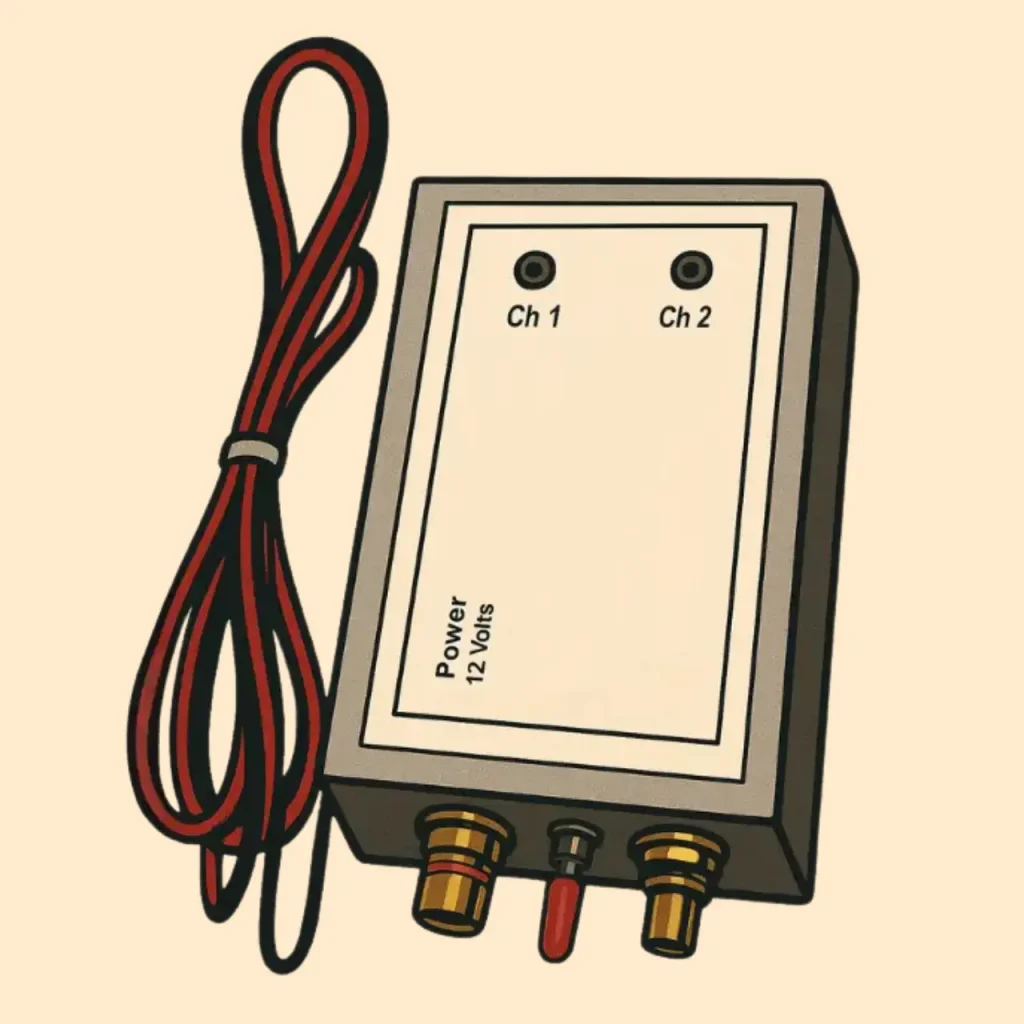
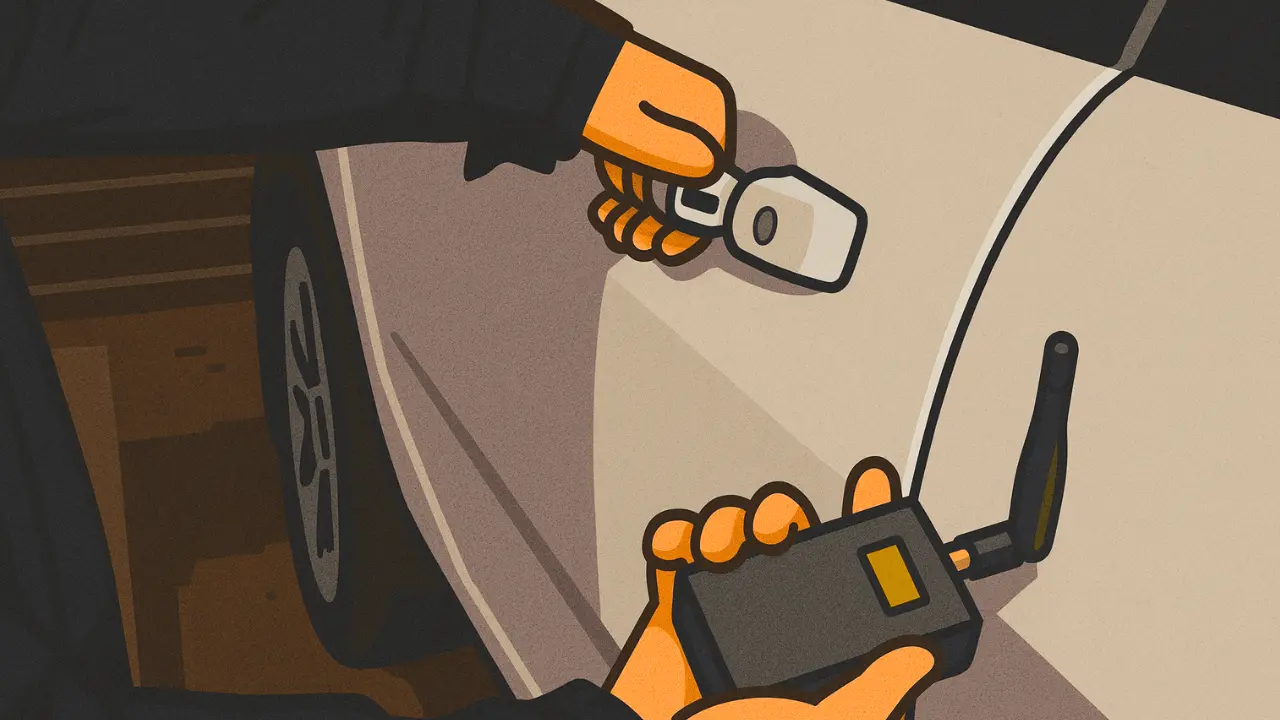
The signal amplifier is the device held close to your home, wall, pocket, or bag. It captures and boosts the weak radio signal emitted by your key fob. The amplifier then sends this enhanced signal to the transmitter near the vehicle.
Relay transmitters
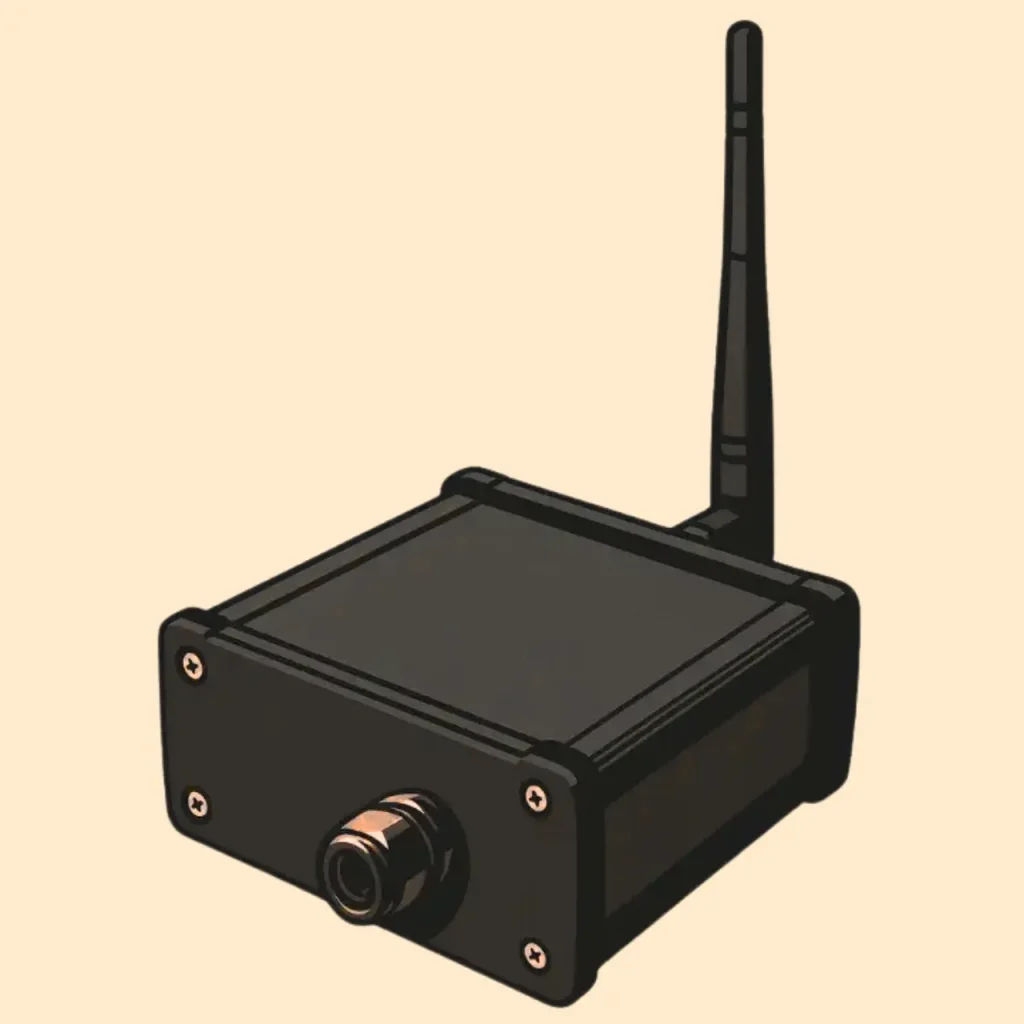
The relay transmitter is the device held near the car. Its job is to “send “grab” the copied version of the key’s signal and direct it to the vehicle, tricking it into unlocking and starting. It doesn’t search for the key — it only replays the captured signal.
Signal Repeaters
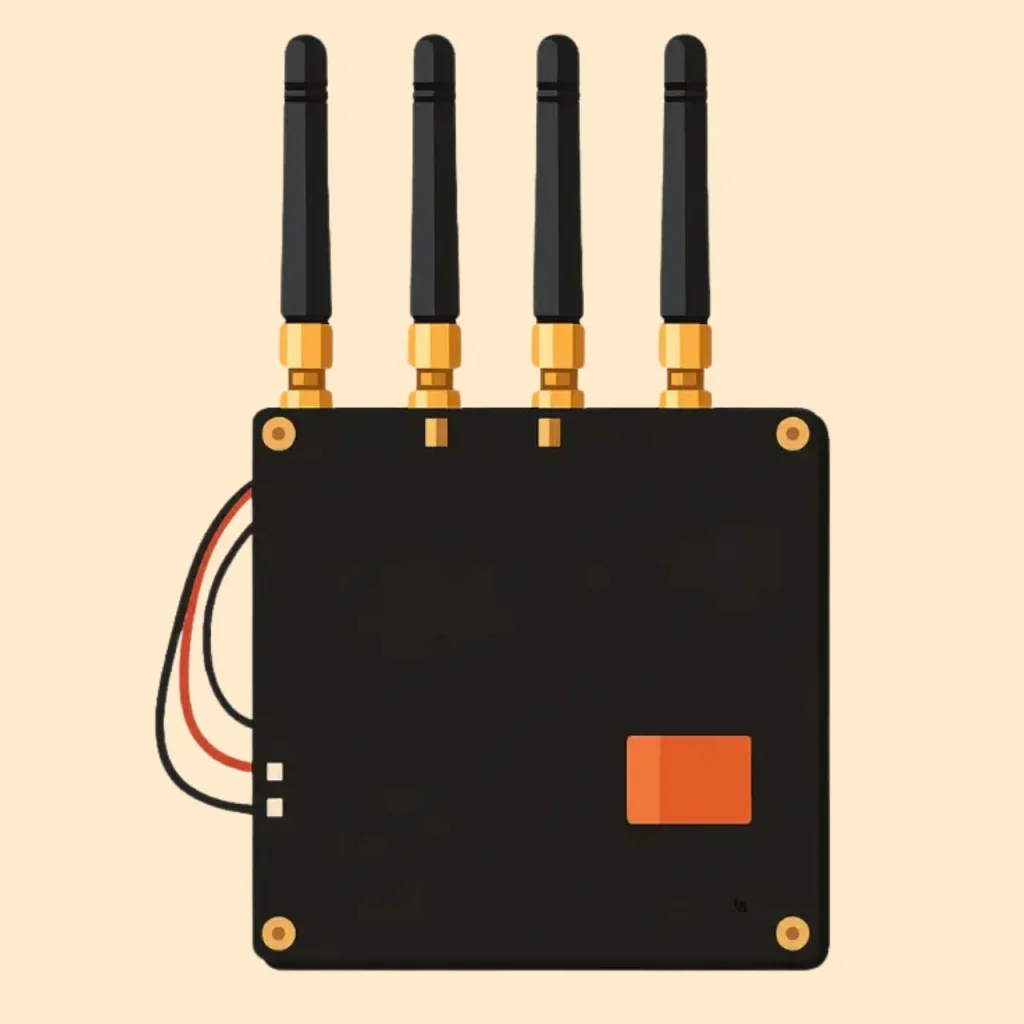
This is the device that simply forwards a signal without boosting it. It is usually used in simpler and older relay attack kits. Unlike an amplifier, it doesn’t strengthen the signal — it just passes it along.
The science behind it
The reason behind relay attacks’ success comes down to how keyless go systems work. The key fob constantly emits a low-power radio signal — even when it’s not in use. When you approach your car, it sends out a challenge signal, and the key fob responds with an encrypted reply that proves authenticity. What’s important, the system doesn’t measure the distance between the car and the key. It simply checks whether the signal is valid.
Thiefs exploit this by using devices that capture and extend that radio signal. One device amplifies the key’s signal (often through walls, doors, even pockets) and another device near the car replays it as if the key fob was right next to the vehicle. No encryption is broken — the system is simply tricked. Because radio waves travel easily through most building materials and can be boosted well beyond their intended range, a thief can unlock a car even when the actual key is 10–20 meters away.
Typical course of the operation (two-person scenario)
- Thief no. 1 stands near your home or pocket, scanning for your key fob signal
- Thief no.2 stands by your car and receives the boosted signal, relaying it to the car
- Car unlocks
- Thieft no.2 gets in the car and starts the engine
- Since key verification happens only once, the thief can drive away
See how it looks in real life – two criminals approach the car, and in less than a minute they drive off.
Stop the Hack: Smart Protection Methods That Work
Protecting your car from a relay attack is easier than you would expect — you just need to stop the key signal from emiting or add a second layer of security that thieves can’t bypass.
1. Limit the reach of the signal with Keyless Protector or a Faraday Pouch

Keyless Protector is a device that you mount on your key fob’s battery, and it’s meant to cut power from the key when it’s not in use. This way, the signal isn’t being emitted, unless you actually mean to use your vehicle, successfully stopping the thief from relaying the signal.
A quality Faraday pouch is also an option. It blocks the signal your key emits, preventing thieves from amplifying it. Just keep in mind that you always have test your pouch — cheap ones often leak, and even the expensive ones wear down with time.
2. Keep your keys away from doors and windows
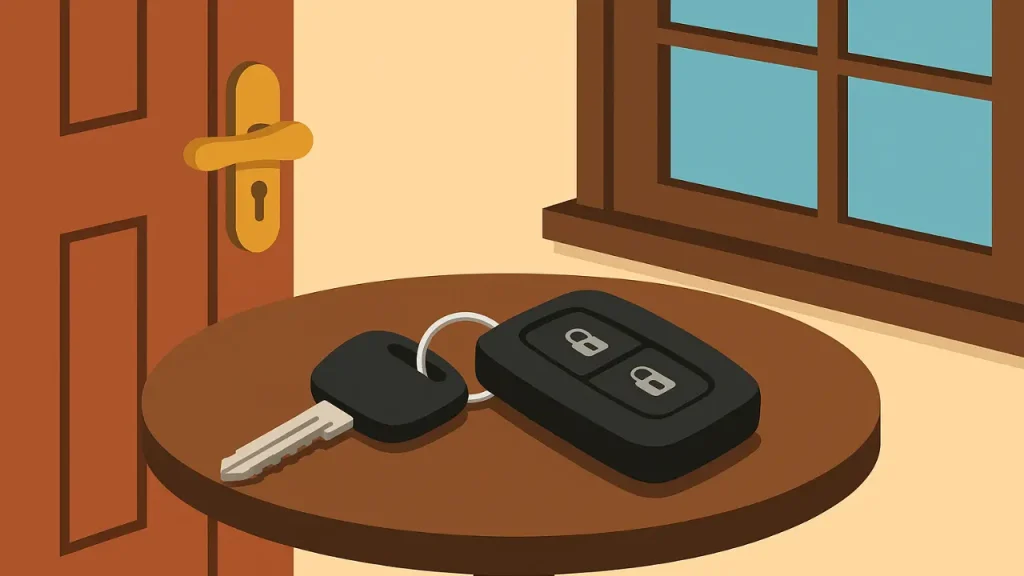
Most relay attacks happen when keys are stored too close to exterior walls. Simply placing them 5–10 meters deeper inside your home can significantly weaken the signal thieves rely on.
3. Disable passive keyless entry (when possible)
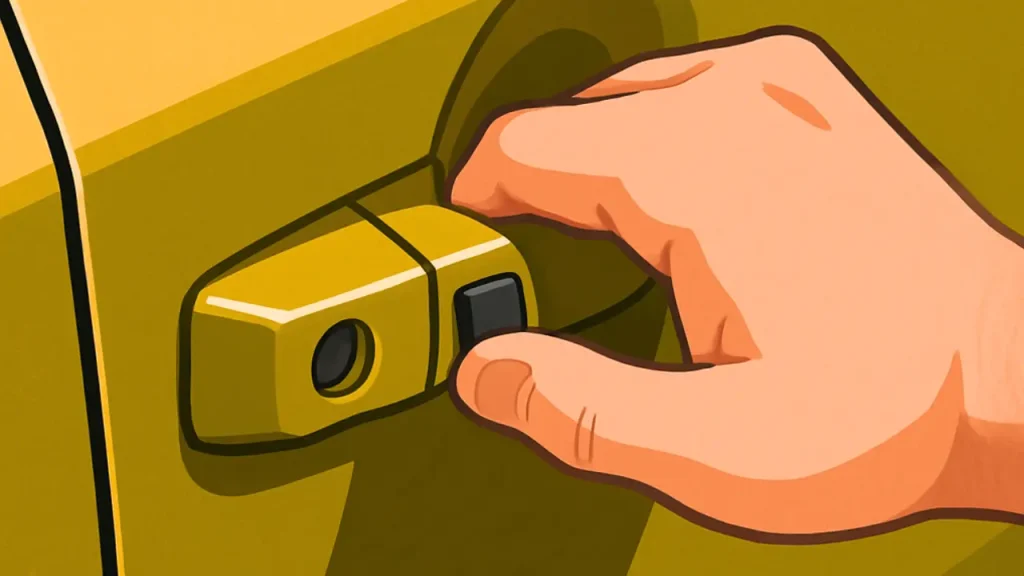
Some cars allow you to turn off proximity-based entry so the key no longer broadcasts a constant signal. This instantly removes the vulnerability — the car unlocks only when you press a button on the key.
4. Add visible physical deterrents
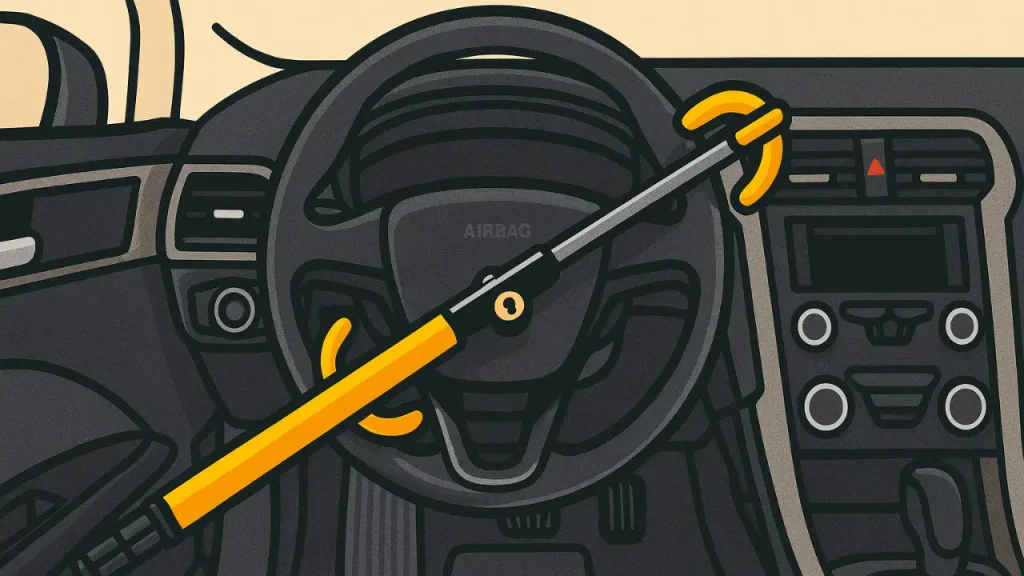
A steering wheel lock or pedal lock won’t stop a relay signal, but it discourages thieves who prefer silent, effortless theft. They usually move on to an easier target.
How Exposed Are You? Assessing Your Real Risk
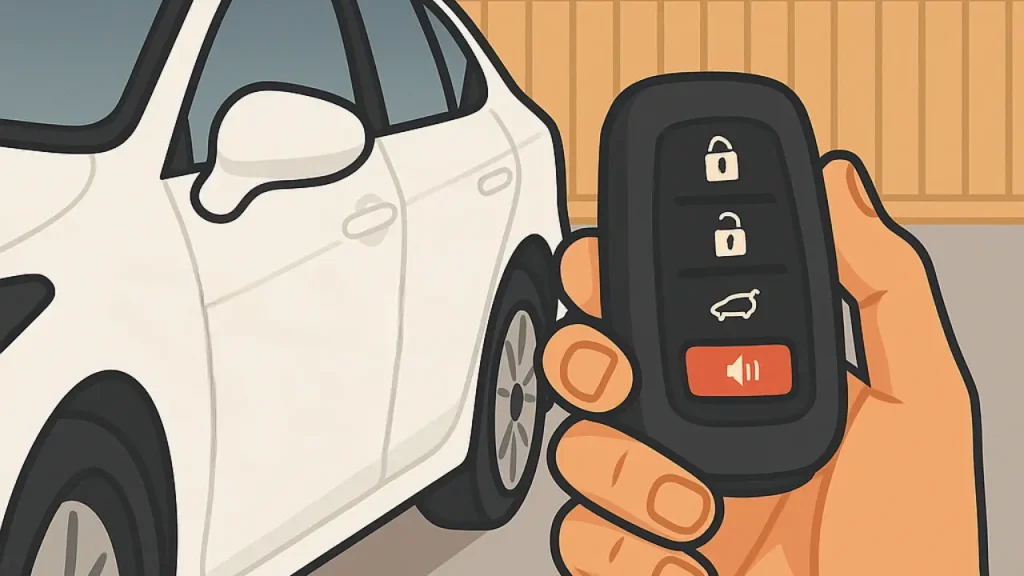
Your real vulnerability to a relay attack depends on a few key factors — and most drivers don’t realise how easily their daily habits create openings for thieves. The majority of relay thefts happen not because the car is especially easy to steal, but because the key fob is constantly transmitting and positioned close enough for criminals to pick up the signal.
You’re at high risk if you park close to your home’s entrance and keep your keys near doors, windows, kitchen counters, or hallways. These areas allow thieves to capture the key’s radio signal through walls in seconds.
The risk also increases if your living space is close to public walkways. In these cases, thieves can get close to your key fob without raising suspicion — often late at night or early in the morning when foot
Relay Attack Myths vs. Reality
Despite how common relay attacks have become, many car owners still believe in myths surrounding it. Understanding that not everything you hear about relay attack is essential to keeping your car safe.
“My car alarm will go off during a relay attack.”
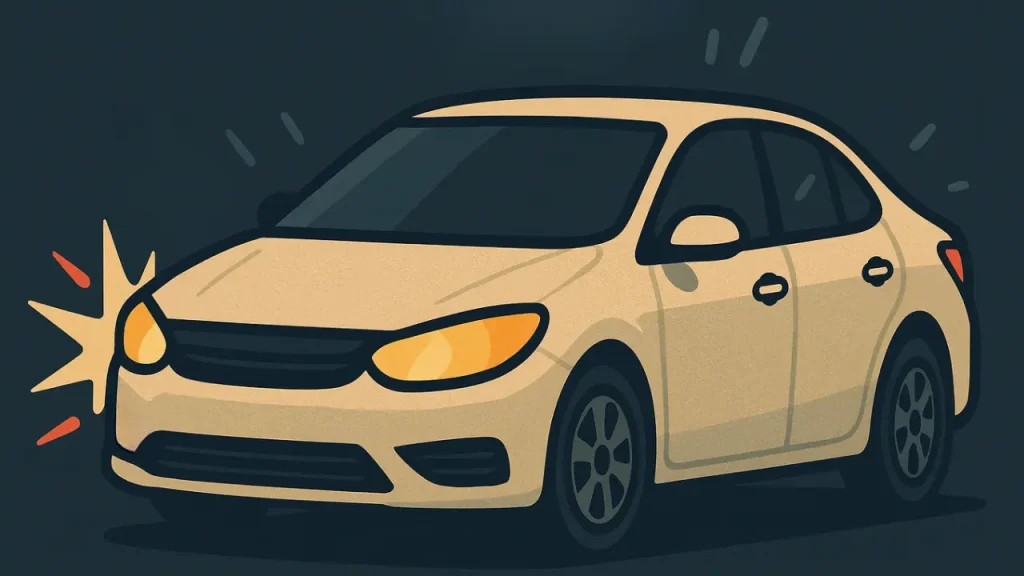
Reality: It won’t.
Relay thieves use your real key signal, not a fake one. The car believes the key is present, so it unlocks normally and the alarm stays silent.
“Thieves need to be right next to my key.”
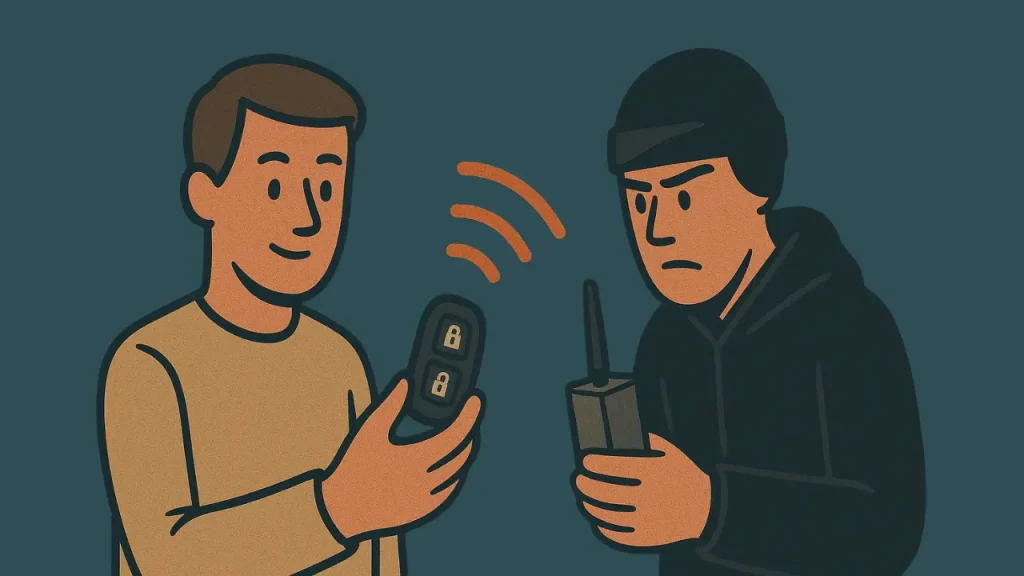
Reality: They don’t.
Modern relay amplifiers can pick up a key fob signal through walls, windows, and doors from several meters away. Keys near entrances are the easiest targets.
“Aluminium foil or cheap Faraday pouches are enough.”

Reality: Most cheap pouches still leak.
Signal blocking only works if the material is high-quality, multi-layered, and fully sealed. Many low-cost pouches fail basic tests.
“If the thief starts the car, it will stop once they drive away.”
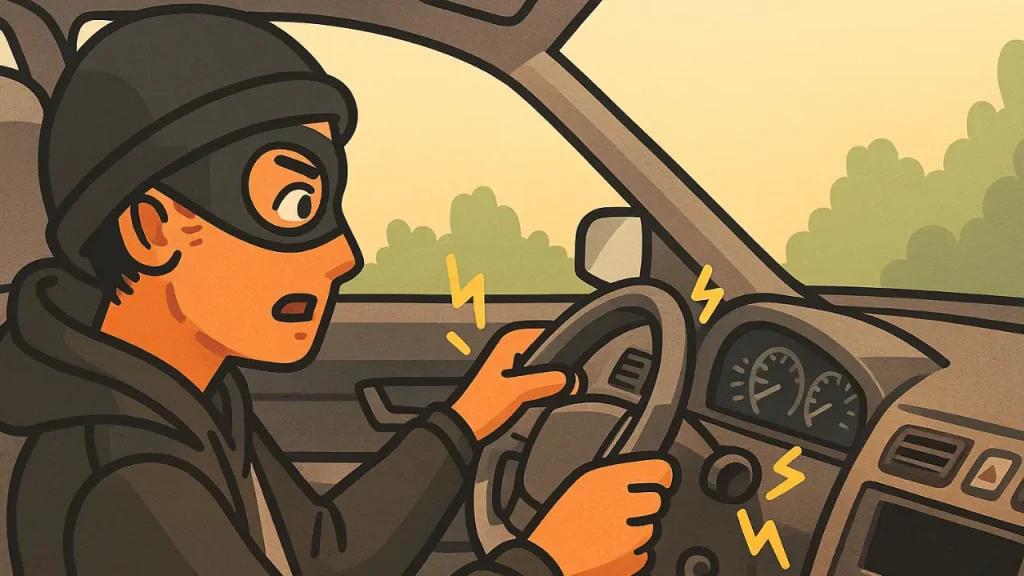
Reality: In most cars, the engine continues running.
Keyless systems usually check for the key only during startup, not while driving. A thief can drive for hours before the car shuts off.
Real-World Examples & 2025 Theft Statistics
Relay attacks are no longer a niche technique — they are now one of the most common forms of car theft worldwide. Police reports, insurance data, and independent testing organisations consistently show that vehicles with keyless entry systems are disproportionately targeted.
In the UK, often considered the epicentre of car thefts in Europe, national crime data shows that relay attacks now account for over 50% of all stolen vehicles. Some insurers report that certain popular models are taken almost exclusively via relay attack, with thieves able to unlock and drive away in under 20 seconds. Major cities like London, Birmingham, and Manchester have seen year-on-year increases in relay attack-linked theft claims.
German automotive association ADAC continues to test keyless vehicles for relay resistance, and results remain surprising: out of hundreds of models examined between 2016 and 2024, the vast majority fail to block relay amplification, even when equipped with advanced encryption.
In the US and Canada, keyless theft is rising rapidly as well. Police departments in metropolitan areas such as Toronto, Chicago, and New York have warned that relay attacks are now used in large-scale organised theft operations, with some cities reporting double-digit increases in keyless thefts since 2022.
A typical pattern emerges across all regions:
- Thieves work in pairs with small RF amplifiers.
- Cars are usually stolen from driveways, underground garages, or public car parks.
- There is no glass breakage, no alarms, and no visible signs of forced entry.
ADAC Keyless Vulnerability Testing
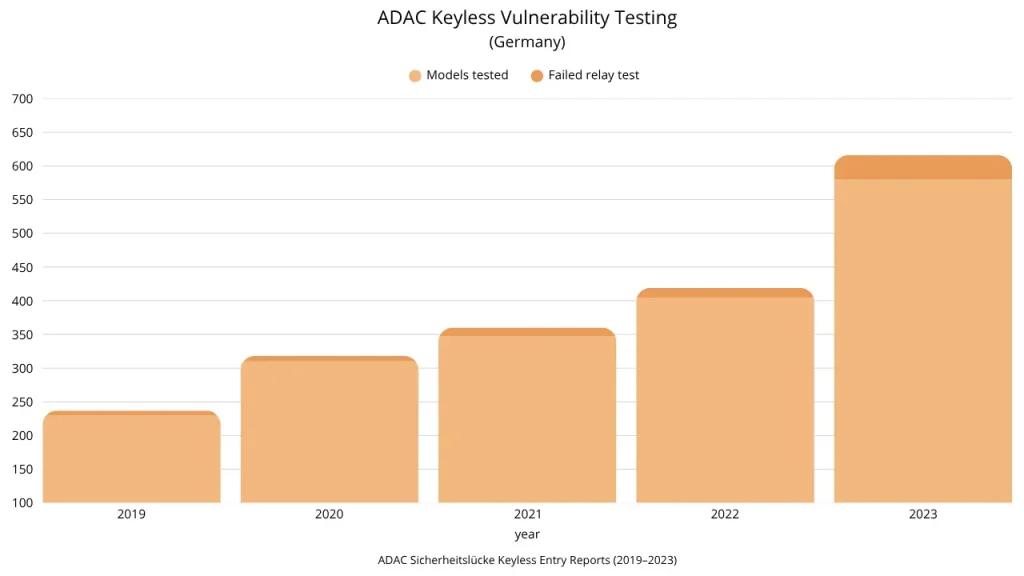
ADAC’s annual keyless entry tests show just how widespread relay-attack vulnerabilities remain. Despite improvements in vehicle technology, over 90% of tested keyless models between 2019 and 2023 failed to block a relay signal. These tests simulate real-world theft conditions using easily obtainable RF amplifiers and relay kits. The consistently high failure rate highlights a simple truth: most keyless cars on the road today can still be unlocked and started within seconds using a relay attack, unless the owner adds additional protection.
UK Relay-Theft Trends
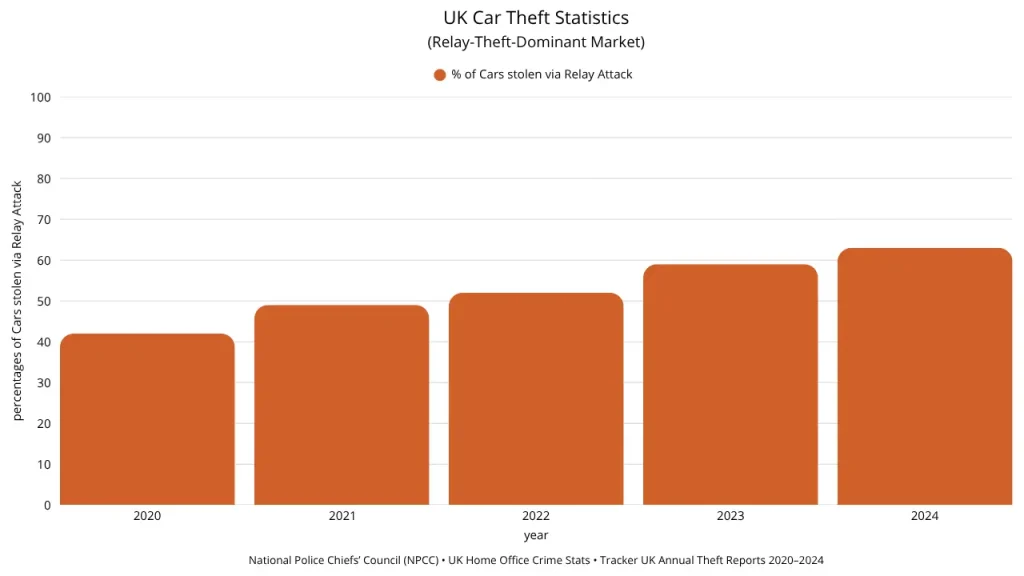
The UK is currently one of the leading countries when it comes to relay theft, with the method responsible for over 50 percent of all stolen keyless vehicles since 2021. Police and insurance companies warn that relay attacks have become somewhat of a default for modern car theft. Because relay theft leaves no forced entry marks, thieves choose it over other methods for its speed, silence, and low risk of detection. The trend seems to shows no sign of slowing — making the UK car market an indicator of how global keyless theft patterns are evolving.
Canada (Toronto) Theft Increase
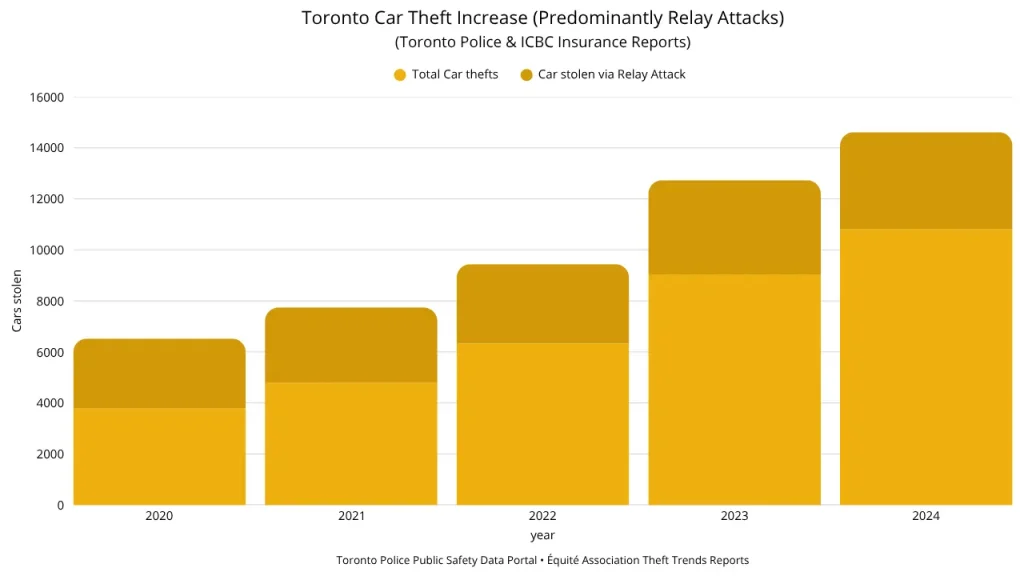
Major Canadian cities, especially Toronto, have seen a dramatic surge in keyless and relay-based thefts. Between 2020 and 2024, overall vehicle thefts increased sharply, with the percentage of keyless cars stolen rising from 58% to 74%. Organized crime groups often use relay devices to target newer SUVs and luxury models, often exporting them overseas within days. This rapid growth demonstrates how quickly relay-theft techniques spread once criminals realize how effective and low-effort the method is.
Summary
Relay attacks have become one of the most common car theft methods. By exploiting the radio signal constantly emitted by key fobs, criminals can relay that signal to your car — unlocking it and driving it away in just a few seconds without any physical damage or forced entry.
Any vehicle equipped with passive keyless entry or push-to-start technology is a potential target. Real-world data from ADAC, UK police, and Canadian theft reports clearly shows a steady rise in relay-based thefts worldwide between 2020 and 2025.
The good news is that relay attacks are preventable. Using Keyless Protector, storing keys deeper inside your home or disabling passive entry altogether can block the attack altogether.
Protector your car now here.